
The Challenge
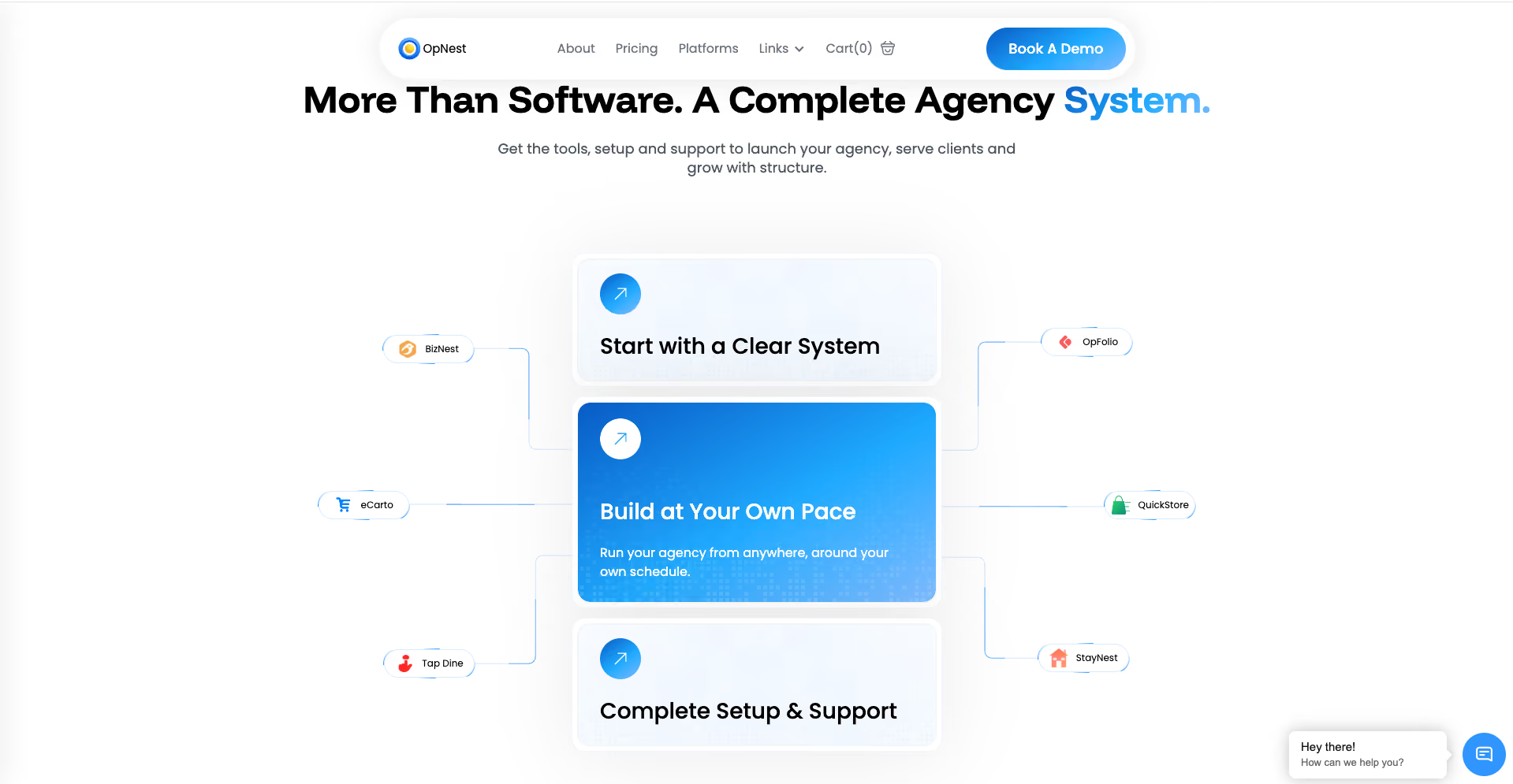
OpNest set out to make launching a digital agency approachable for people with no technical background, freelancers, solo consultants, and first-time founders across India, many based in Tier-2 and Tier-3 cities. The product itself is genuinely broad: a partner dashboard sitting on top of several sub-platforms, BizNest for client websites, OpFolio for booking pages, eCarto and QuickStore for online stores, Tap Dine for restaurant ordering, StayNest for hotel bookings, plus automation and AI tools layered underneath. The website needed to make that breadth understandable within a few scrolls, reassure a non-technical visitor that no-coding-required was genuinely true, and give three different types of visitor a clear next step.
The Approach
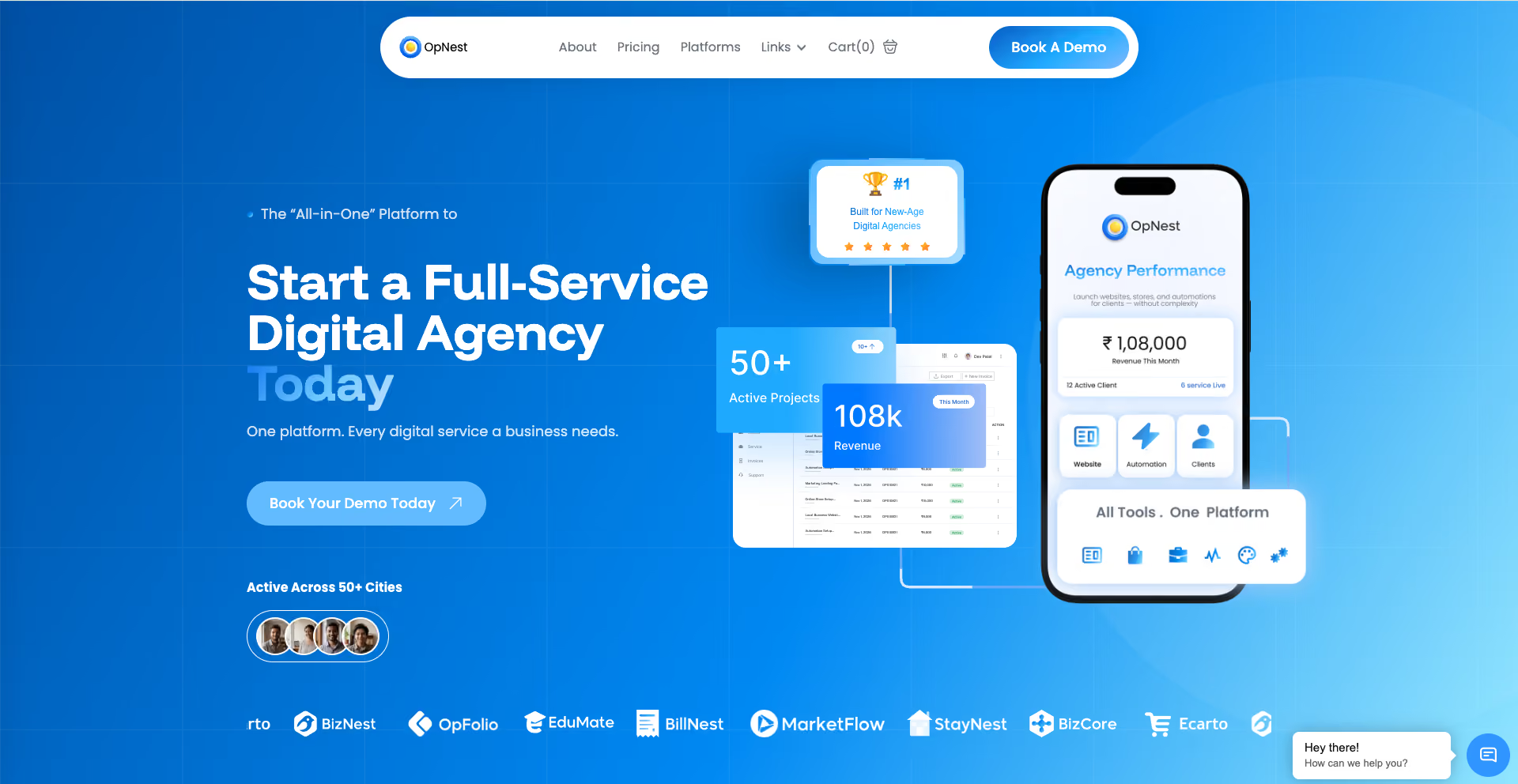
The page works from the top down: a single value proposition, Start a Full-Service Digital Agency Today, anchors the top, then each section narrows the pitch one layer at a time - why OpNest exists, what you can offer clients, which tools you get, how pricing breaks down, and finally the plan comparison itself. Rather than describing the six sub-platforms in the abstract, each one is paired with a concrete outcome, so a visitor with no SaaS background can map a feature to something they would actually sell a client.
Structuring a Multi-Product Platform
With six platforms, three pricing tiers, and a credit-based usage system to explain, the biggest risk was overwhelming a first-time visitor. The site handles this by grouping platforms into repeatable cards that follow the same pattern - icon, name, one-line outcome - so a visitor can skim the whole ecosystem without reading paragraph after paragraph, then open a platform's own integrations page only if they want more detail.
Building Trust for a Non-Technical Audience
Because most visitors are deciding whether to trust an unfamiliar platform with an entire business idea, the page leans on real partner stories tied to named individuals and cities, a live district-availability tracker, and a plainly stated no-coding-required promise repeated at several points in the scroll - reinforcing one message rather than introducing a new claim every time.